Interview
Ramesh Pingili
United States
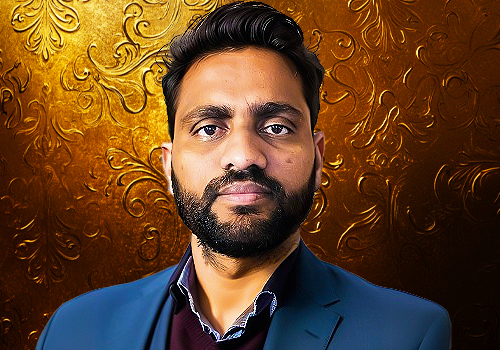
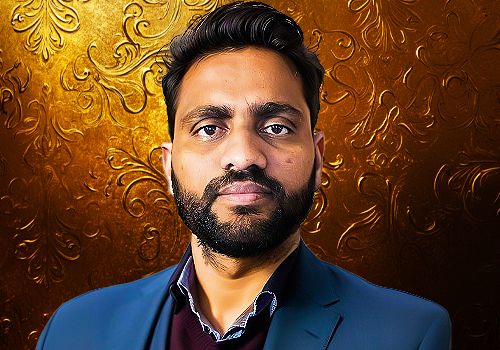
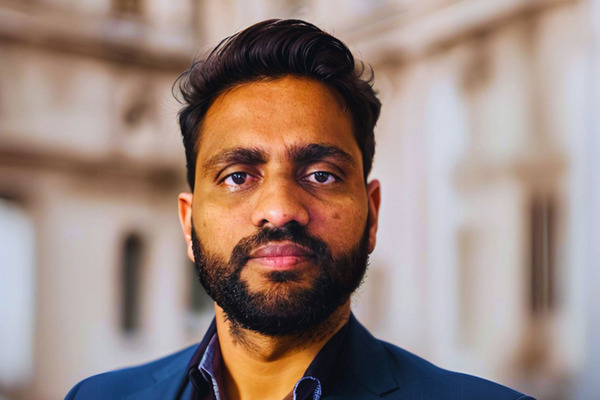
Ramesh Pingili is a technology leader specializing in AI-powered workflow automation and enterprise system integration, currently serving as a Pega Tech Lead at ItechUS Inc. He has led major transformation projects for clients like Cigna, Citi, and Verizon, delivering scalable automation solutions that drive measurable impact across industries.
1 Congratulations on your achievement in the Noble Business Awards! Could you tell us a bit about yourself and your role, as well as your business or organization?
Thank you so much! It's an honor to be recognized by the Noble Business Awards, and I appreciate the opportunity. I'm Ramesh Pingili, a technology leader focusing on AI-driven workflow automation and enterprise system integration. I work as a Pega Tech Lead at ItechUS Inc., where I've led large-scale transformation initiatives for clients in healthcare, finance, and public sector organizations. In my recent work with Cigna, I led an end-to-end transformation project that integrated digital automation and case management, resulting in millions in operational savings and faster service delivery. I've also driven automation frameworks for Citi Group that span global regions and led initiatives for Verizon that processed over 2 million rebate cases annually using RPA. What drives me is finding scalable, innovative solutions to complex business problems—whether it's reducing errors in signer workflows or improving healthcare efficiency through intelligent automation. I'm passionate about building systems that create real impact and deliver measurable results, and receiving this award feels like a meaningful acknowledgment of that mission.
2 Winning such a prestigious award is a milestone for many. How did you feel when you first learned about your win, and what does this recognition mean to you personally or professionally?
When I first found out I had won, I was genuinely humbled—and honestly, a bit speechless. Moments like that don’t come often, and it really hit me that years of hard work, experimentation, and late nights building scalable solutions have been seen and appreciated on a global stage. Professionally, it’s incredibly validating. In the tech world, especially in fields like AI and automation, the work often happens behind the scenes. Getting this kind of recognition from the Noble Business Awards reinforces that the problems we’re solving—whether it’s improving healthcare workflows, streamlining financial compliance, or optimizing government systems—really do matter. Personally, it’s a proud moment. I’ve always believed in building with purpose and leading with innovation, and this award reminds me that staying true to that path can lead to meaningful recognition. It also motivates me to keep pushing the boundaries of what’s possible with technology.
3 What inspired you to submit your entry for this competition, and what aspects of your submission made you feel confident it could stand out?
I’ve always admired how the Noble Business Awards celebrate innovation and leadership across industries, especially in areas like AI, digital transformation, and automation—so submitting my work felt like a natural fit. What really inspired me was the impact of the solutions we’ve delivered. Whether it was building an AI-powered workflow for Cigna that improved healthcare service delivery for thousands of users or leading complex system integrations at Citi and Verizon, the results were measurable and meaningful. These weren’t just technical implementations—they were solutions that reduced manual work, increased speed, enhanced compliance, and saved millions in operational costs. I felt confident because the submission told a complete story—not just about the technology but about how strategy, leadership, and innovation came together to solve real-world problems. I’m genuinely proud of the scope, scale, and outcomes of these projects, and I believe they would resonate with a global jury looking for impactful, forward-thinking work.
4 Is there a particular moment in your career or business journey that you consider a turning point? How did it shape your path to this achievement?
One major turning point for me was when I led the enterprise transformation initiative at Cigna, focused on end-to-end automation of healthcare operations. It was a massive project with a lot at stake—complex workflows, high user volumes, and critical service delivery goals. What made it transformative wasn’t just the scale, but the trust placed in me to architect the solution and lead the execution. I had to bring together advanced technologies like Pega Case Management and Robotics, integrate multiple business units, and deliver real outcomes—like a 40% reduction in manual processes and millions in cost savings. That experience pushed me to think beyond just technical solutions. It taught me how to blend innovation with business strategy, how to scale ideas globally, and how to lead cross-functional teams toward measurable success. It was the moment I realized that I wasn’t just solving problems—I was shaping how entire systems work. That mindset has guided every project since and directly contributed to the recognition I’m fortunate to receive today.
5 Were there significant obstacles you faced along the way, and how did you or your team overcome them to reach this success?
Absolutely—every major transformation project comes with its own set of challenges. One of the biggest was navigating the complexity of integrating legacy systems with modern AI and automation frameworks, especially in highly regulated environments like healthcare and finance. For example, in the Cigna transformation project, we had to work with multiple disconnected teams, each using different processes and tools. There was also understandable resistance to change, which is natural when you’re introducing automation that significantly alters workflows. What helped us overcome these challenges was a combination of clear communication, technical strategy, and empathy. I focused on designing flexible solutions that didn’t just meet technical goals but also made users’ jobs easier. We involved stakeholders early, gathered feedback throughout, and made sure the systems we built felt like a collaborative evolution rather than a disruption. The same was true in projects like Citi Group’s global signer workflow—bridging global teams across regions like EMEA and LATAM required both technical finesse and cultural sensitivity. These experiences reinforced that success in transformation isn’t just about technology—it’s about people, trust, and shared vision.
6 Winning is often just the beginning. How do you plan to leverage this recognition to further your business goals or inspire others in your industry?
You're absolutely right—winning is a milestone, but it's also a launchpad. This recognition gives me a stronger platform to continue advocating for AI-driven innovation and automation at scale, especially in industries like healthcare, insurance, and finance, where the need for efficiency and intelligent systems is growing rapidly. It reinforces the credibility of the work I've done and helps build trust when engaging with new partners or organizations exploring transformation. More importantly, I hope this recognition inspires other professionals—especially those working behind the scenes on complex tech solutions—to see the value in what they're building. I've always believed that meaningful innovation starts with people who care deeply about solving real problems, and I want to continue mentoring others, sharing knowledge, and contributing to communities that are shaping the future of enterprise automation. This award motivates me to keep pushing boundaries, collaborate globally, and scale solutions that not only work but create lasting impact.
7 Participating in awards can be a learning experience. What do you think is the greatest benefit of entering competitions like this?
For me, one of the greatest benefits is reflection. In the fast-paced world of tech and automation, we're always moving from one project to the next. Taking the time to step back, document the journey, and look at the impact we've created—it's incredibly valuable. It reminds you not just of what you've built, but why it matters. Competitions like the Noble Business Awards also give you a chance to benchmark your work against global peers, which is both humbling and inspiring. You gain insights into what's being done across industries, and it opens up opportunities to connect with other innovators who are solving complex problems in their own domains. Most of all, it reinforces the importance of celebrating progress—not just success. Every milestone, every challenge overcome, and every solution delivered has a story worth sharing. Being part of this competition has helped me recognize and embrace that story more fully.
8 Is there someone in your team or organization whose efforts played a significant role in this achievement that you'd like to acknowledge?
Absolutely—while I’ve had the privilege of leading these initiatives, none of it would have been possible without the support and collaboration of the teams I’ve worked with. At ItechUS Inc., I’m incredibly grateful for the leadership’s trust and flexibility that allowed me to innovate freely. At the client side, especially with teams at Cigna, Citi Group, and Verizon, I’ve worked with some truly dedicated professionals—project managers, analysts, developers, testers—who brought energy, domain knowledge, and a willingness to embrace change. Digital transformation is never a solo effort. It takes a shared vision, cross-functional alignment, and people who believe in the power of technology to make a difference. I’m thankful to everyone who’s been part of that journey with me.
9 The business landscape is ever-changing. What trends or developments do you see shaping the future of your industry, and how are you or your business preparing to adapt?
One of the biggest shifts we're seeing is the convergence of AI, automation, and human-centered design—where intelligent systems don't just execute tasks but make contextual decisions and personalize outcomes. Technologies like generative AI, hyperautomation, and adaptive workflows are rapidly transforming how businesses operate, especially in healthcare, finance, and government sectors. Another key trend is the growing emphasis on regulatory compliance, data security, and ethical AI. As automation becomes more embedded in critical systems, the demand for transparency, governance, and trust will only increase. At ItechUS Inc., and through the work I lead for clients like Cigna and Citi, we're already designing systems that are scalable, explainable, and regulation-ready. We're investing in low-code platforms, cloud-native architectures, and real-time analytics to help clients stay agile in this changing landscape. Personally, I stay close to the pulse of these shifts by contributing to industry forums, publishing insights, and mentoring upcoming professionals. The future is incredibly exciting—and I believe those who blend innovation with responsibility will lead the way.
10 Looking back at your journey, is there any advice you would give your younger self or someone just starting out in your industry?
If I could go back and give my younger self one piece of advice, it would definitely be to stay curious, patient, and not afraid to solve hard problems. In tech—especially in fields like AI and automation—it’s easy to get caught up in tools and trends. However, real growth comes when you take the time to understand why problems exist and how technology can genuinely make a difference. Focus on impact, not just implementation. I’d also say to be bold about innovation but humble about learning. Some of my best breakthroughs came from projects that didn’t go smoothly at first. Every challenge teaches you something that sharpens your thinking and strengthens your leadership. And finally, build relationships. No matter how good the tech is, it’s people who bring it to life. Collaborate, mentor, ask questions, and share what you know—it’ll take you farther than you expect.
11 For those who are considering to enter, what advice would you share about crafting a strong submission or maximizing their chances of success?
My biggest advice is: tell your story with clarity and impact. Don’t just focus on what you did—explain why it mattered. What problem were you solving? Who did it help? What changed because of your work? Back it up with real, measurable outcomes. Numbers speak volumes, especially when they show efficiency gains, cost savings, user impact, or innovation that pushed boundaries. Even qualitative outcomes—like improved collaboration or enhanced compliance—can be powerful when framed in context. Also, don’t downplay your role. Be honest and specific about what you contributed. Whether you led the vision or executed critical parts of the solution, own your impact. And finally, be yourself. Every submission is unique because every journey is different. Let your passion for your work come through—that’s what really connects with the judges.
12 Lastly, is there anything you’d like to share with us or the business community? Perhaps a final reflection, message, or insight?
I think if there’s one thing I’ve learned on this journey, it’s that transformation doesn’t always begin with technology—it begins with mindset. Whether you're a startup founder, a tech lead, or part of a large enterprise team, the willingness to challenge the status quo and imagine better ways of working is where real innovation starts. We’re living in a time where AI and automation are evolving fast, and it’s easy to feel overwhelmed by all the change. But the truth is, this is also a time of incredible opportunity—to simplify complexity, improve lives, and build systems that are not only smarter, but also more human-centered. To the business community: keep building, keep questioning, and keep sharing your wins and lessons. Awards like this remind us that the work we do behind the scenes matters—and when we lift each other up, we all go further.